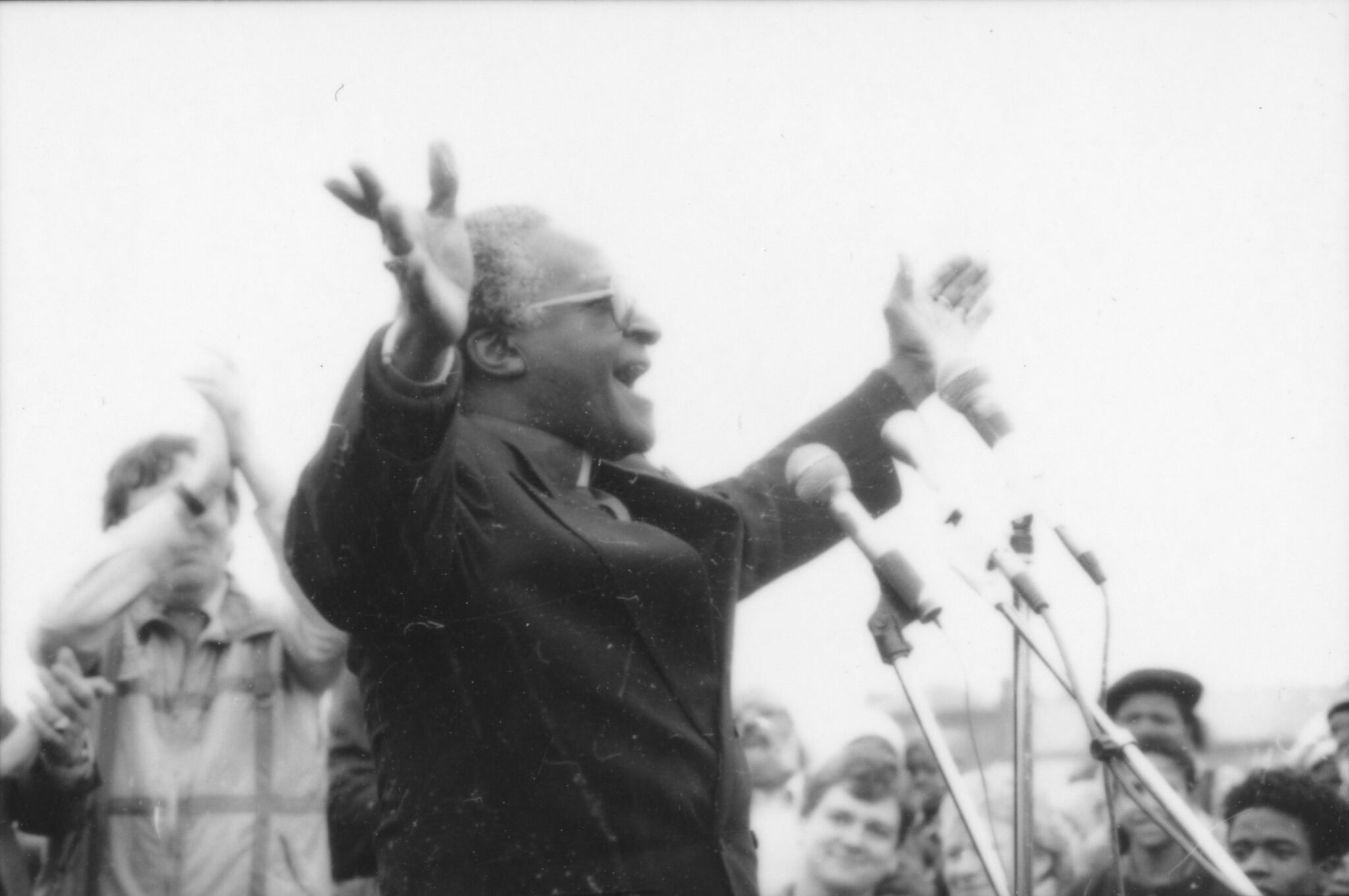
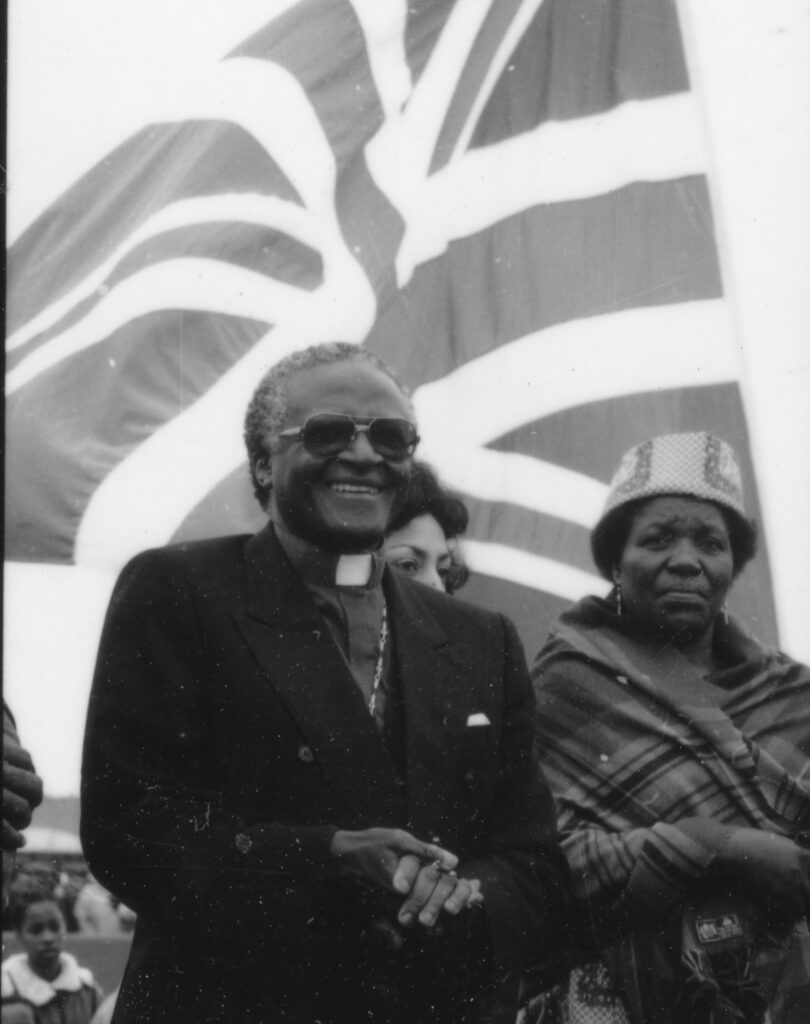
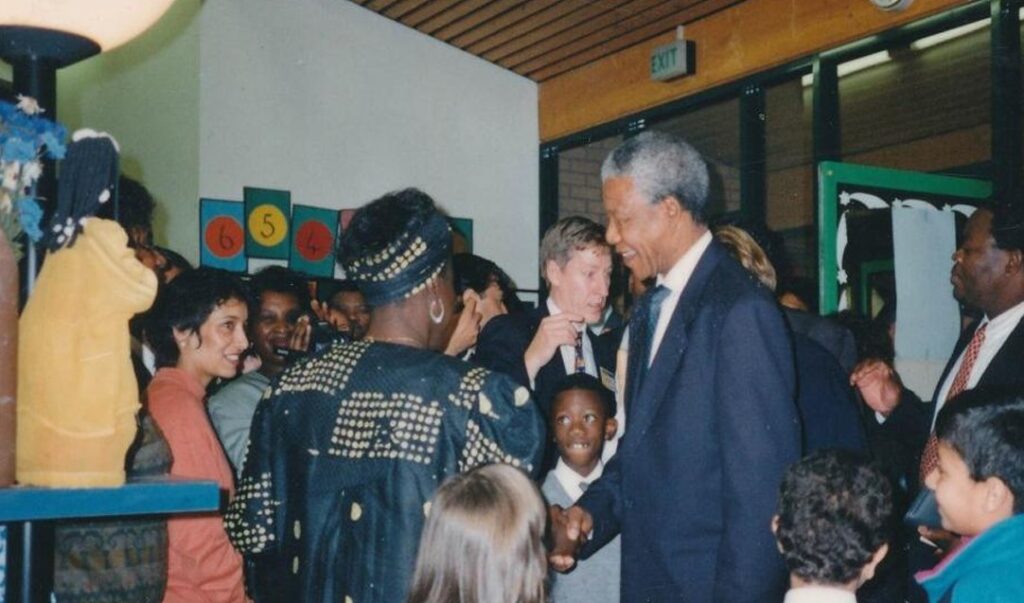
On Friday, April 22, 1988, the community of Balsall Heath welcomed Nobel Peace Prize laureate Archbishop Desmond Tutu. He came to officially open the newly built Nelson Mandela School, which had first opened its doors to pupils a few months earlier on September 7, 1987.
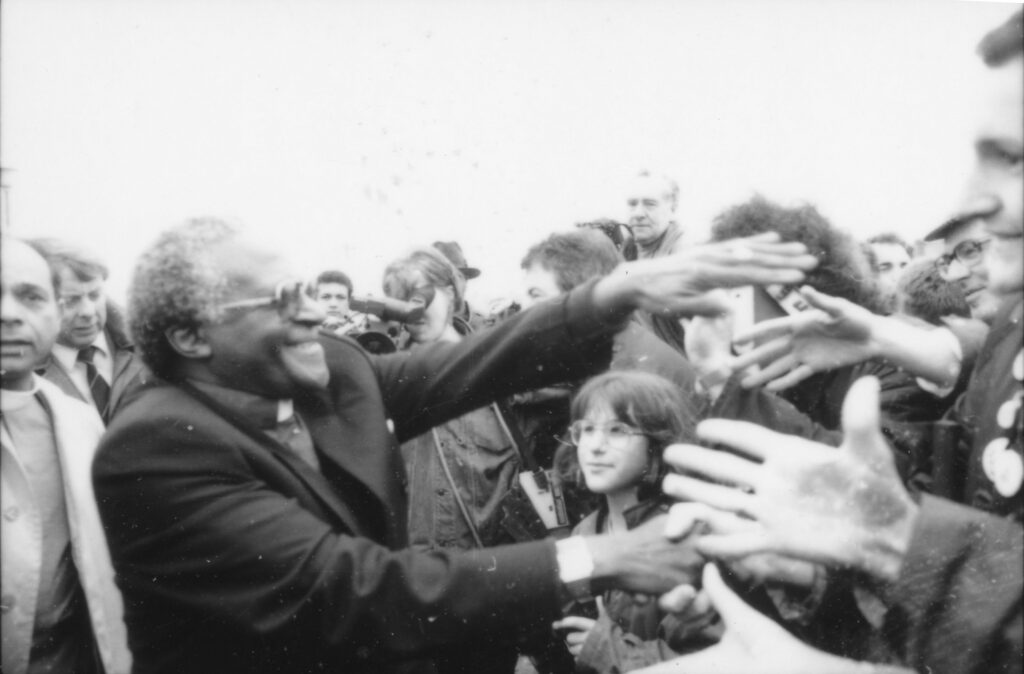
During his visit, Archbishop Tutu left an unforgettable impression on everyone in attendance and following the official opening ceremony, he took a stroll through a brand new Spark Green Park next to the school, taking the time to warmly greet local residents who had gathered to welcome him. It remains a proud moment in local history, celebrating our diverse communities in Balsall Heath as well as showing our support for the African National Congress (ANC) and Nelson Mandela in South Aftrica, still in prison for their opposition to Apartheid.
Addressing the crowd at Spark Green Park
Archbishop Desmond Tutu greets the crowd
Our stand against Apartheid
Apartheid was a racially segregated political and social system enforced by the white-minority National Party government in South Africa from 1948 until the early 1990s. Citizens were legally classified by race, stripped of fundamental rights, and forcibly separated in public spaces, schools, and workplaces. Millions of Black South Africans were displaced into impoverished, segregated townships and denied political representation. We opposed apartheid because it was an intensely cruel, dehumanizing system that institutionalized racial oppression, violated basic human rights, and created extreme economic and social inequality. Naming our new school after Nelson Mandela was a declaration of anti-apartheid solidarity, directly challenging racial oppression, honouring a global symbol of resistance, justice, and human rights.
“The School was being opened, officially opened…we show photos to the grandchildren and say, ‘Oh, that’s your Dad and that’s Desmond Tutu’, and they’re kind of going ‘What?”
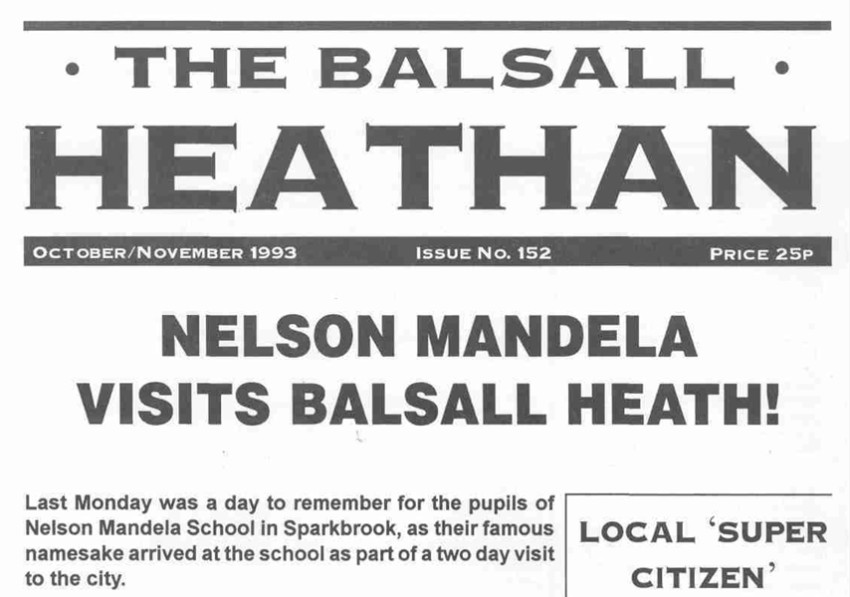
No surprise then, that only on his second visit to the UK following 27 years of imprisonment, that Nelson Mandela himself visited. Headteacher Frieda Billingham described the occasion as “a great honour and tribute to the school” .
Though decades have passed since Archbishop Desmond Tutu and Nelson Mandela came to Balsall Heath, the spirit of solidarity and resistance to racism resonates deeply in Balsall Heath today. Nelson Mandela School stands as an enduring testament to equality and celebration of our diverse community.
This September, experience Balsall Heath in Birmingham Heritage Week through a multi-venue touring FREE exhibition, ‘In Changing Times‘ by Balsall Heath Local History Society. Featuring the photographic archive of Mick Turner, community oral histories, poetry, art, and history trails exploring Balsall Heath through the eyes of those who live it.
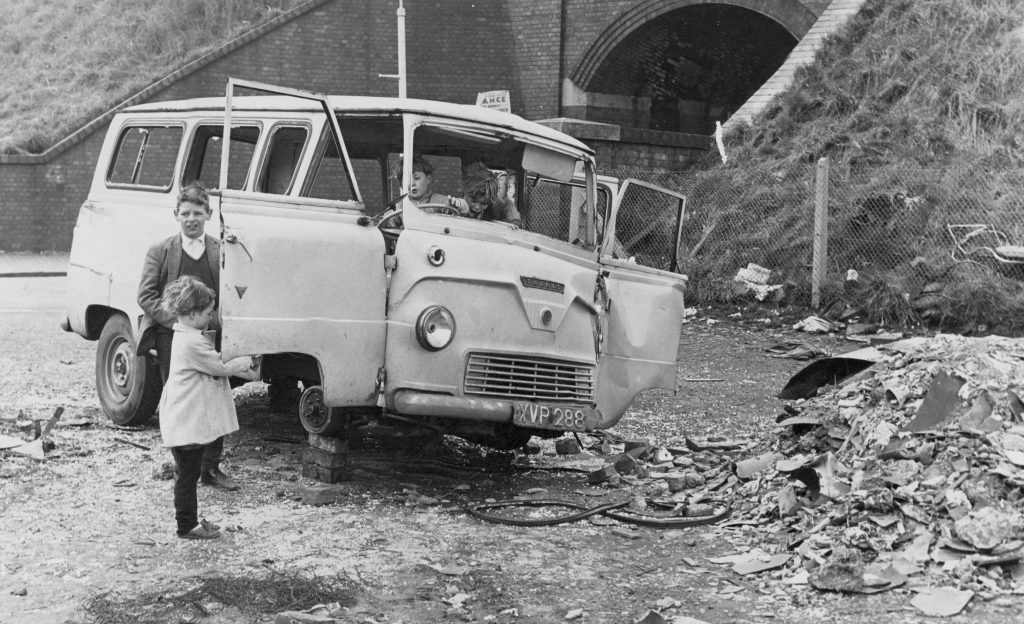
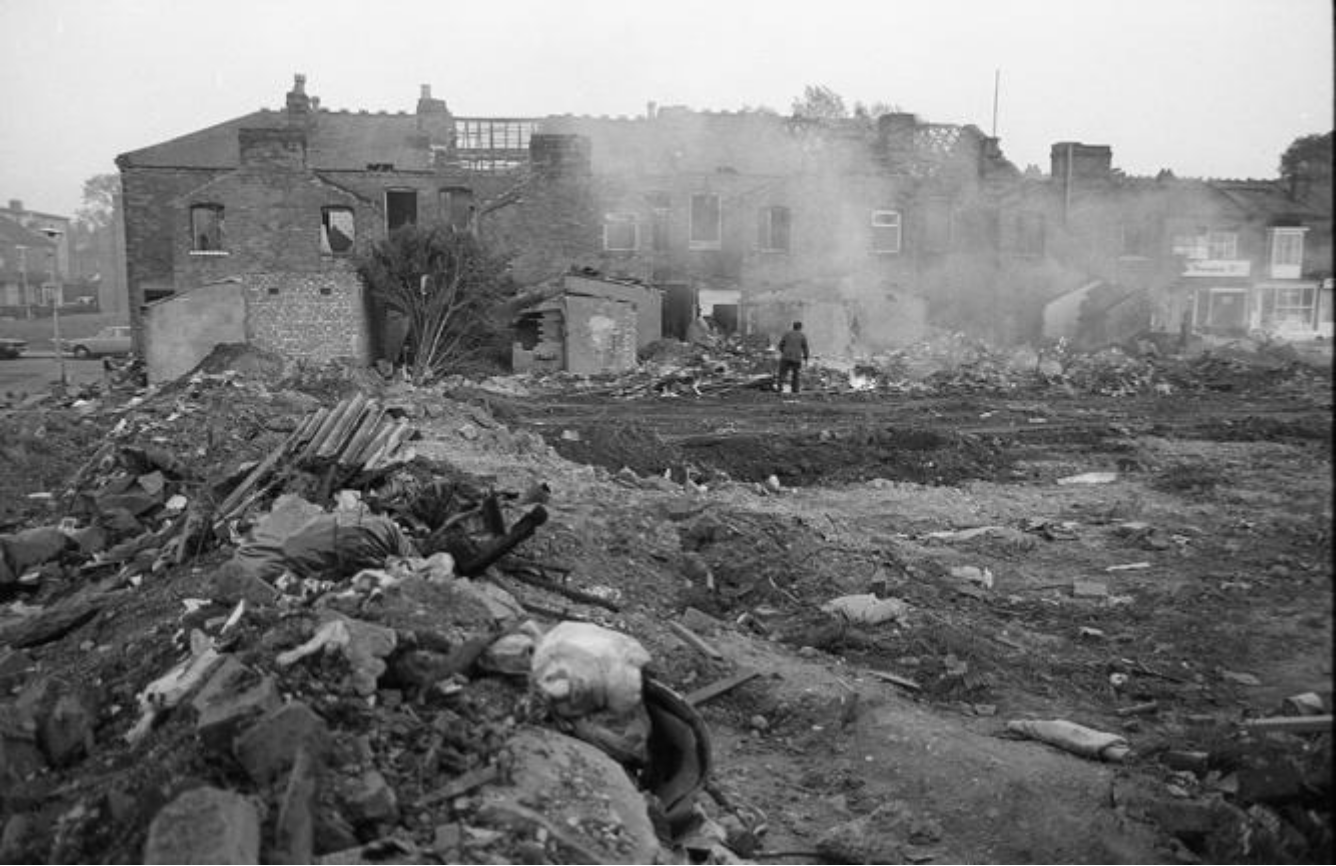
Balsall Heath’s story is one of dramatic transformation and social change. Within living memory, we’ve seen bomb sites used as playgrounds well into the 1970s, mass demolition and redevelopment, and the arrival of different communities that reshaped our streets.
Touring Exhibition & Venue Highlights
Six local hubs across Balsall Heath will host unique events, workshops, guided trails, and activities:
SS. John & Martin Catholic Church. Guided heritage tour exploring the building’s architectural and community legacy.
The Old Print Works & Creation Climbing Centre. Pop-up archival displays, film and art.
St. Paul’s Venture, special event (September 20th). An intimate afternoon with acclaimed poet Liz Berry, featuring poetry readings, film screenings, and shared local memories.
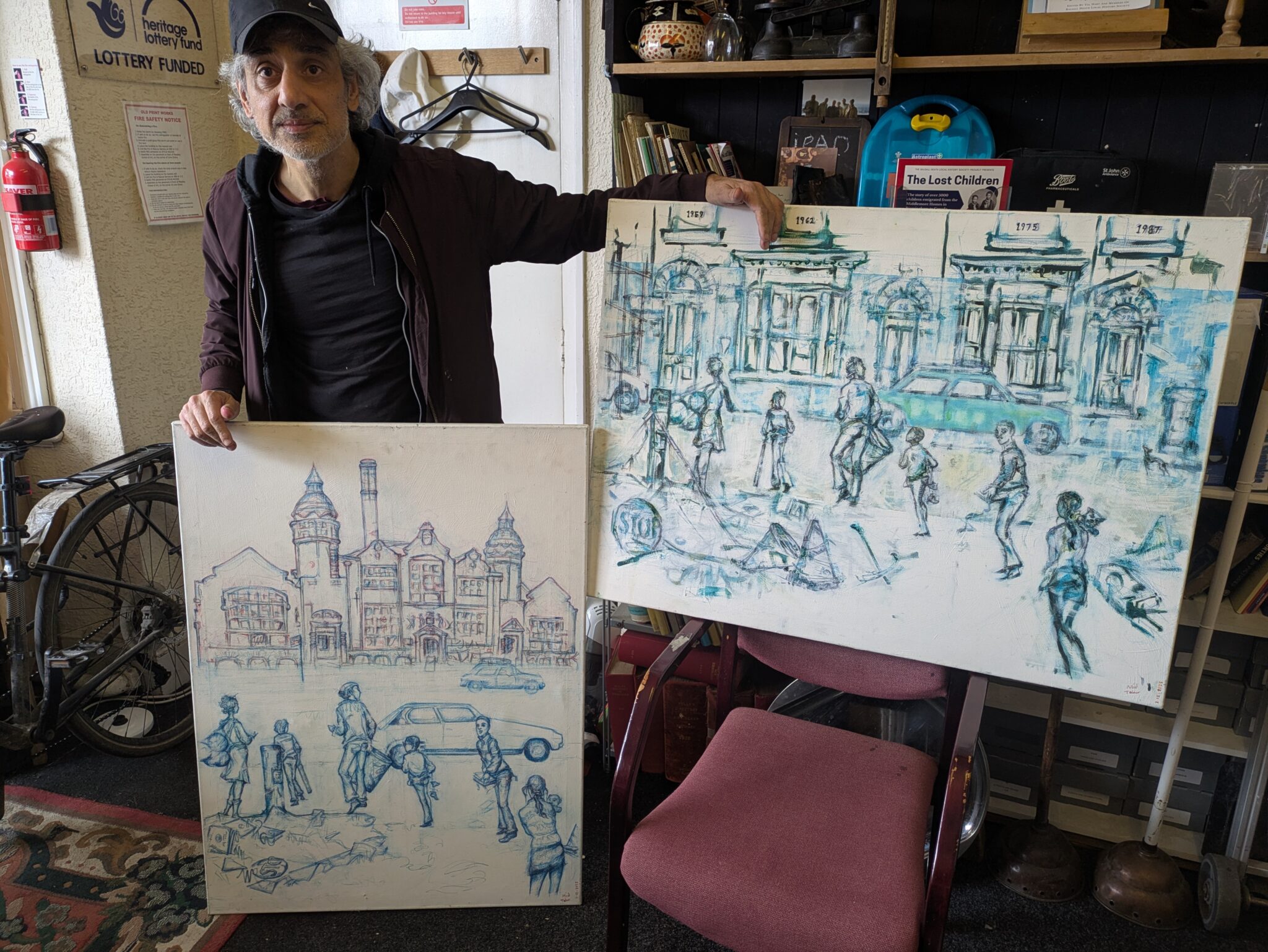
Local artist Muhmood Tahir, inspired by archive images and Mick Turner’s photography painted his Balsall Heath. Meet the artist, sketch and paint alongside him – bring your contemporary visual perspective on our Balsall Heath – all free, including materials, date to be confirmed.
Mick Turner Archive of photographic images is a vast collection of images, thousands of which were published in the Balsall Heathan from 1960 to 1990. We used these images as a starting point to understand Balsall Heath through the eyes of people who have lived there.
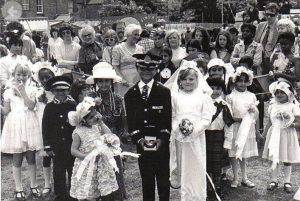
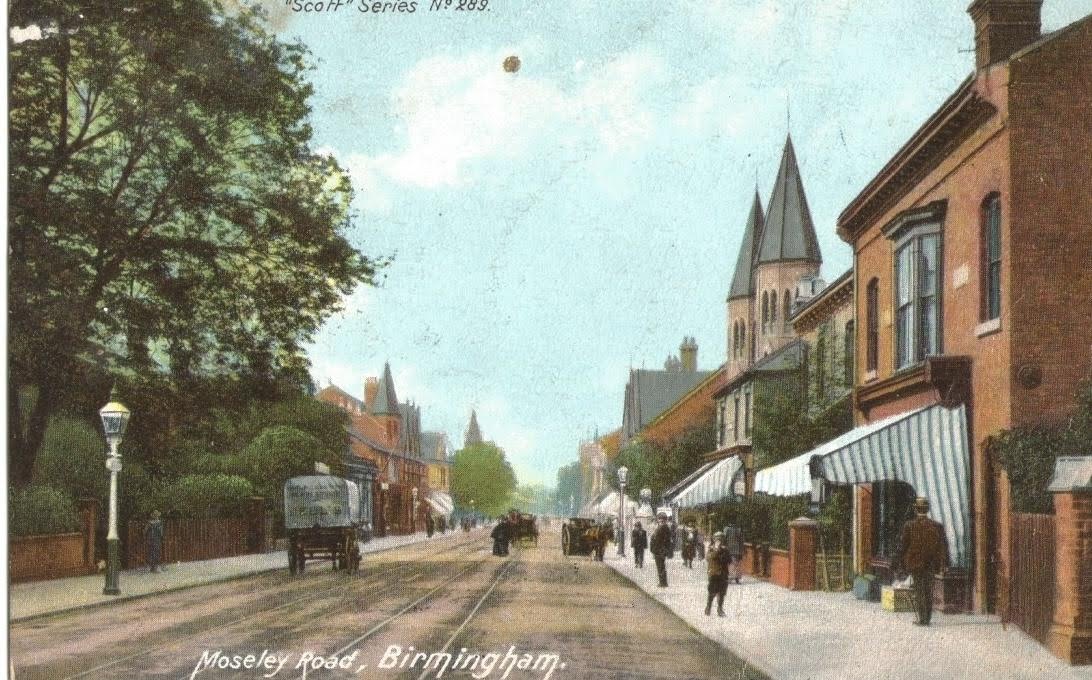
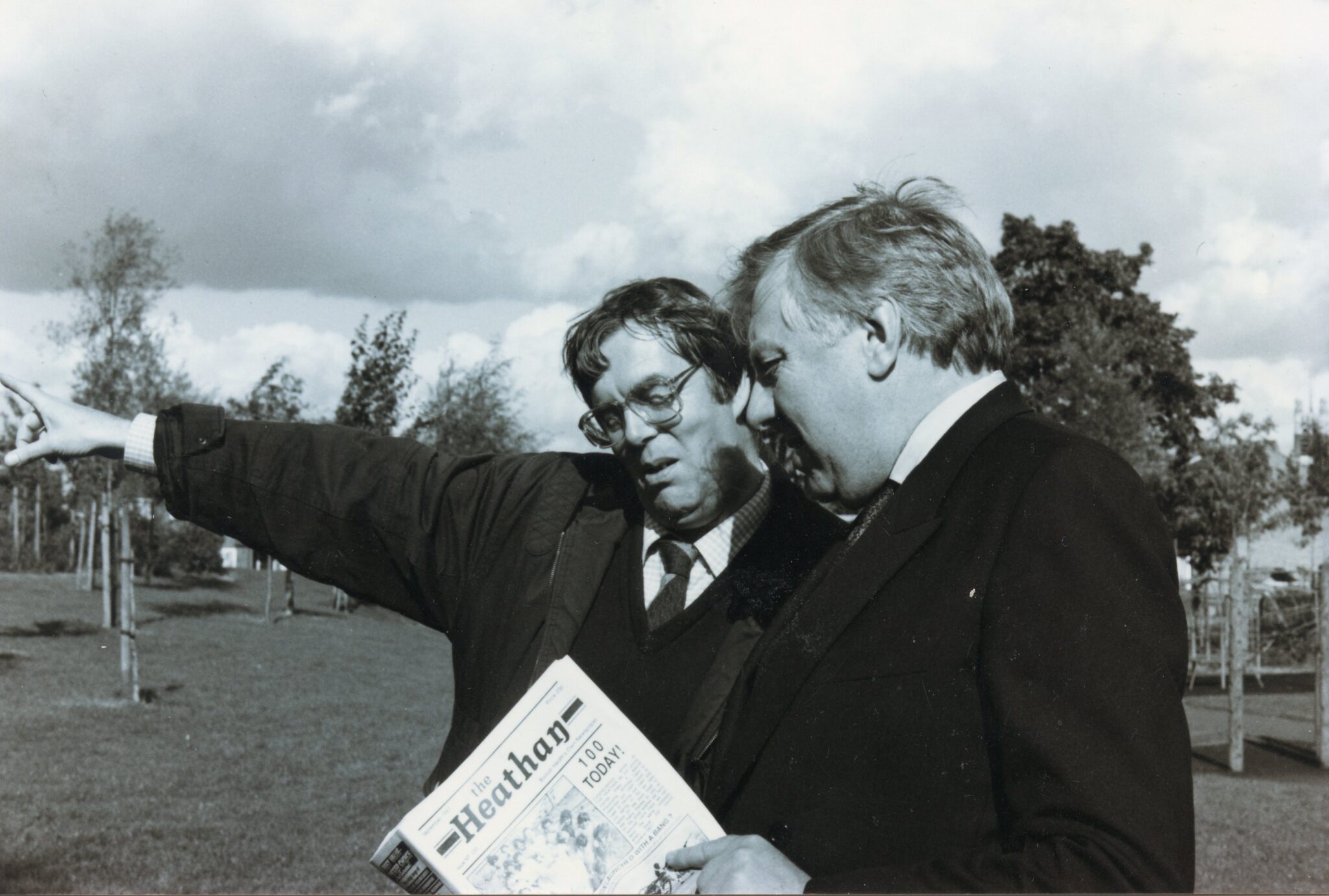
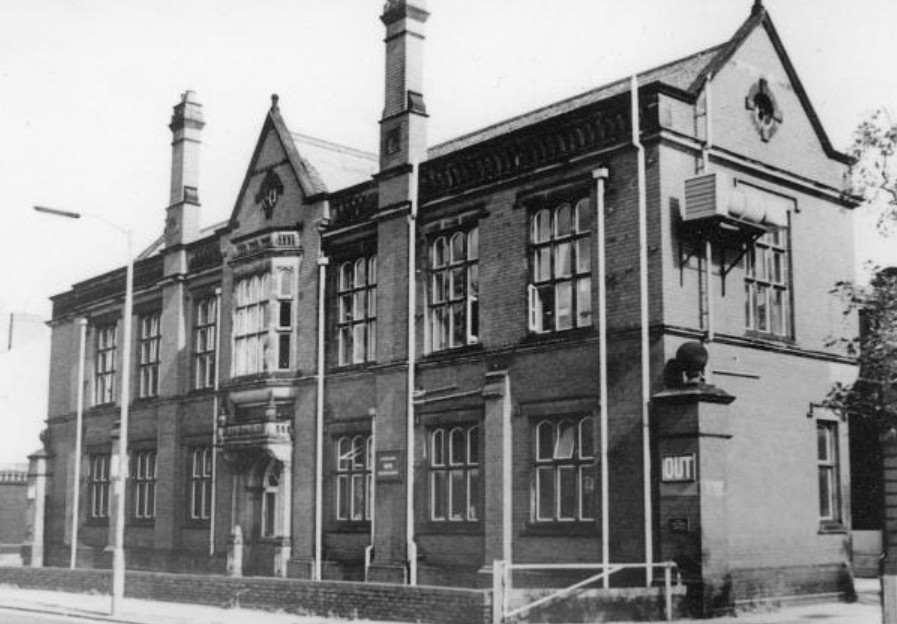
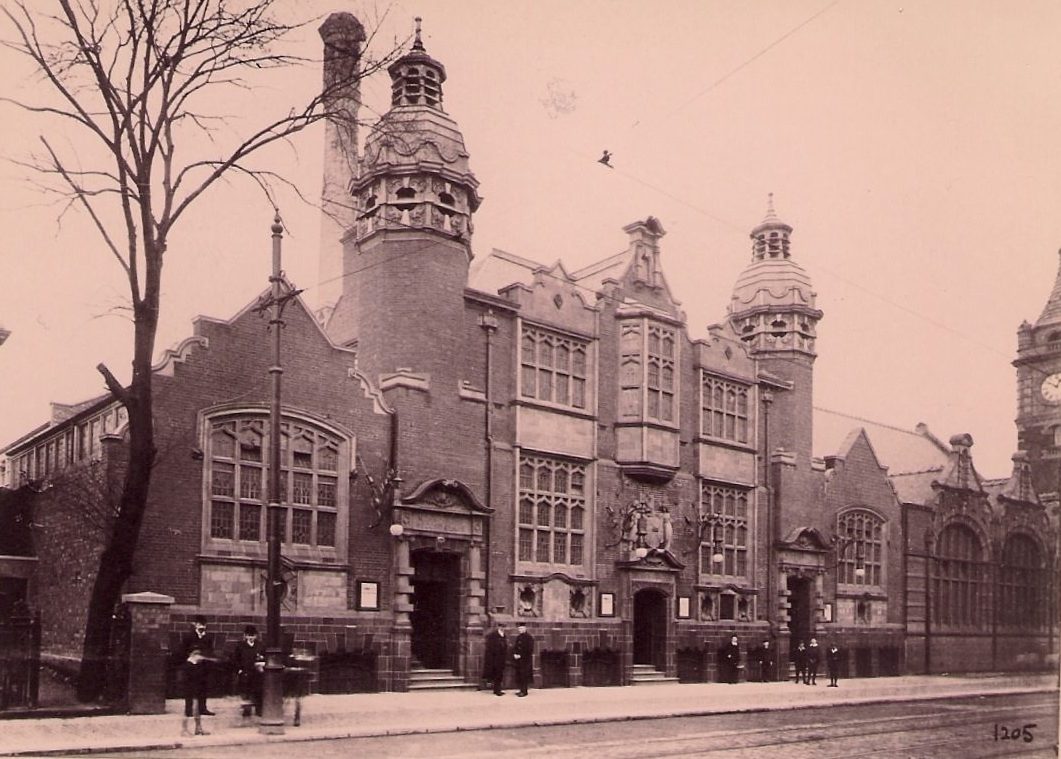
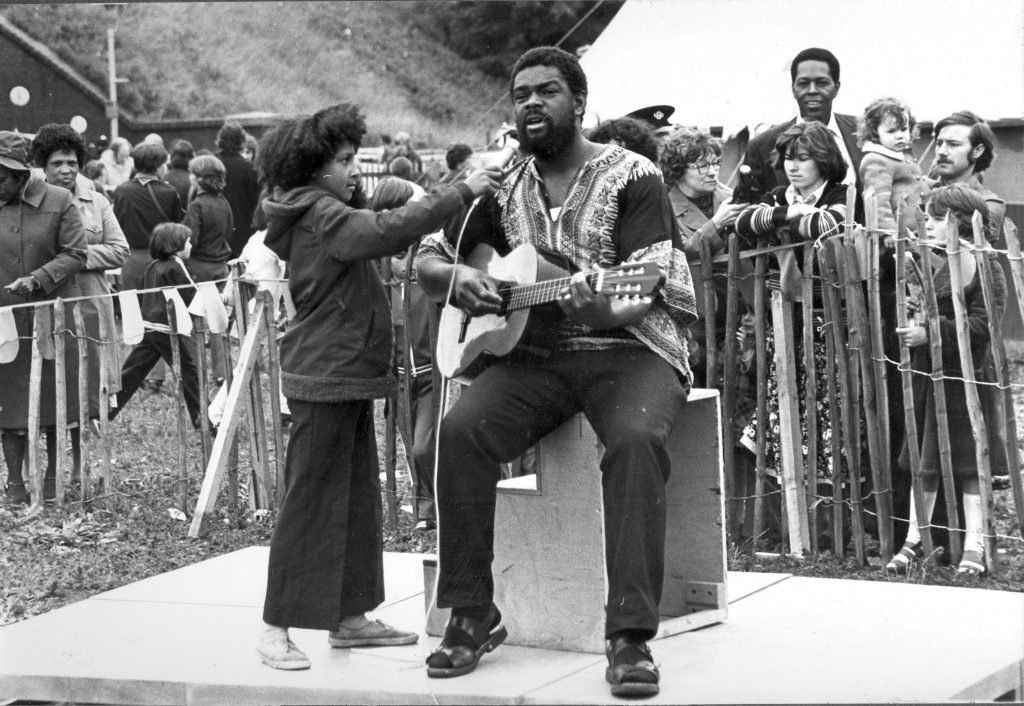
Charles and Diana marry at Balsall Heath CarnivalPhotographer Mick TurnerDick Atkinson and Roy Hatersley in Balsall HeathHousing ClearanceThe Old Tramworks, now Creation Climbing CentreMuhmood Tahir and his artwork inspired by Mick Turner imagesMoseley Road Baths in 1907Folk Singer at Balsall Carnival
From the streets of 1960s Balsall Heath to decades of dedicated community service, Zhor Malik’s story is woven into the history of Calthorpe Park and Balsall Heath. A former Royal Mail union representative, long-time community advocate, and former local councillor, Zhor sat down with Marcus and Val for Changing Times to look back at Balsall Heath and where it’s heading next.
Deep Roots in Balsall Heath
Born in Derby, Zhor moved to Balsall Heath with his parents. Since then, the area has been home to three generations of his family.
“I went to Percy Shurmer School. My sons and daughter went to Percy Shurmer, and now my grandkids have been going to Percy Shurmer… I’ve lived around this area since 1966.”
Zhor remembers the major clearances and redevelopment of the mid 1970s when old terraces along Princess Road, Balsall Heath Road, and Varna Road were demolished to make way for new housing. His family moved to Edward Road around 1976, where he still lives today.
Playgrounds, Parks, and Community Space
For Zhor, growing up in 1970s Balsall Heath:
“So I can tell you when I those times, they were brilliant times …it was the times when our mothers used to leave the back doors open. We hardly used the front door, we used to go down the back, and we had visitors and we used to go to people there and we didn’t even think or were afraid of people stealing or anything. The best days I remember growing up were in the summer. uh the six seven weeks of summer we used to spend playing in Calthorpe Park.”
After working 27 years with Royal Mail he brought his passion for public service directly to Calthorpe, joining Birmingham City Council. He became the first manager of the Calthorpe Park Pavilion.
During his time there he established football pitches and a cricket pitch inside Calthorpe Park, installed cricket practice nets in partnership with Edgbaston Cricket Groundskeepers., converted disused tennis courts into the game area there now, and worked tirelessly alongside community champions like Foster Derby at the local Play Centre to provide after-school and holiday schemes.
Taking Back the Streets
During the late 1980s and 1990s, he took an active role in the famous community-led movement to clear street prostitution and pimping from the area. Spurred into action by community elders and local figures like Dick Atkinson of the St. Paul’s Trust, residents organised street corner patrols to reclaim their streets.
“The community came together… It was all the residents. Taxi drivers helped us before mobile phones existed, using their radio systems to call for backup if there was trouble. It took us nearly two years, but we took our streets back.”
A Vision for the Future
Zhor remains determined as ever to advocate for Balsall Heath. He was teh first Balsall Heath West Ward Councillor in 2018. Reflecting on changes to ward boundaries, local media, and local politics, his core priority remains simple: transparent, open facilities for everyone.
“I don’t care who gets the credit, as long as we achieve what we want for the betterment of Balsall Heath.”
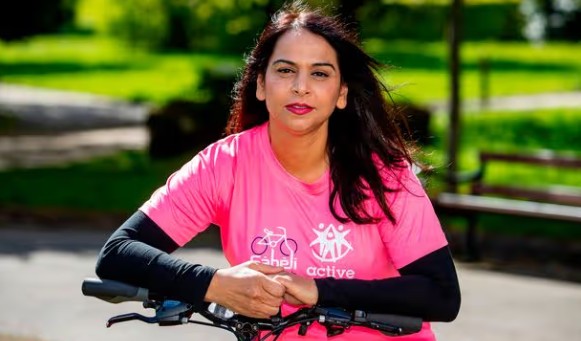
Naseem Akhtar BEM looks back on the challenges growing up and growing strong in Balsall Heath. She has spent over 20 years inspiring and encouraging thousands of women in Birmingham and, with the Saheli Hub team, transformed lives through activity.
Naseem has lived in Balsall Heath nearly all her life. Growing up in Balsall Heath in the 70s and 80s, Naseem recalls hiding where she came from when at school in nearby Selly Park:
I genuinely used to hide that I was from Balsall Heath…I used to say, ‘just by Cannon Hill Park’, or ‘by the Edgbaston Cricket Ground’.
For a young girl in a traditional Muslim household with five brothers, the streets were off-limits. ‘I thought I wasn’t allowed out because I was an Asian girl. Looking back, I wouldn’t let my sons out now, knowing what was happening on those corners.’ Balsall Heath was then known for street prostitution and drug dealling.
‘It’s only when I became a teenager it kind of almost started to become like that 24-hour service. So, you’d see women on the streets in the morning, noon and night and growing up in a kind of traditional Muslim household, no one ever discussed what these women were doing or what it was about…I think that the day that I was really kind of horrified was when I stopped at my doctor surgery, who’s still my doctor, amazing doctor on Cheddar Road, and I remember one day walking past and a woman was sitting in a bikini. I thought what’s that about? But nobody talked about it.’
The Thread of Activism
Naseem’s journey into advocacy started in a local sewing factory at 19 when she realized she was being paid a third of what she thought she should. She went to the ‘low pay unit’ with her brother and photocopied leaflets, distributing them to every woman in the building.
‘…it was on piece work. And some people got the best pieces and some people didn’t, and I didn’t like it. But what I loved in the factory was that it was a lot of Asian girls. As an adult having left school with no real qualifications – I wasn’t allowed to go to College or Uni because Margaret Thatcher had come along and she’d shut all the colleges, unless you went to mix college. And in my generation, many girls weren’t allowed…because of the fact that they’re mixed.’
It was a hard lesson in leadership. “I was ostracized by half the factory,” she admits:
‘I learnt you can’t be an unelected leader by yourself. You have to bring people with you. I stayed for six months to prove a point, then got a job that paid the full £150. I went back to the old factory and showed them my wage slip. I wanted them to know you can get paid properly if you find the right employer.’
Saheli – a Vision Born of Rejection
By the early 2000s, Balsall Heath was changing. The community – churches, mosques, and residents – had reclaimed the streets from the sex trade. But for Asian women, “social exclusion” remained. Naseem joined the Balsall Heath Forum:
‘They could see I was really committed and so they offered me the job. Initially I was too scared to take it – my brother had completed the application for me and I got the interview…I got the job and started from there. So the Forum then employed me to see what women wanted and we secured funding for a feasability study.’
What they wanted was a health and fitness facility run by women, for women:
‘They wanted to do a swimming exercise, Fitness and Sport, and when we asked them why aren’t you using the biggest Sports Centre on the edge of your neighbourhood, they said because they felt nobody understood their culture. The women-only times were very limited by the time you got in and changed you needed to change back…it wasn’t suitable, so they just didn’t go.’
Responses to the feasibility study were dismissive – NHS services said ‘We don’t do leisure, we do health’, and City Council Leisure staff said, ‘That’s never going to happen’.
Naseem partnered with South and City College, starting in ‘The Learning Library’ one day a week. Soon, women were flooding in. Women who came for the gym ended up staying for ESOL classes and vocational training offered by the college too:
‘We changed in one of the side offices. And the numbers just started to go through the roof. So we started in April, I always remember that, and by September we had a meeting they said just have that bit of the site, just have it. And so we ended up using the site Monday to Friday.’
A big break came from a moment of raw honesty at a high-level regeneration conference. Naseem was given seven minutes to speak. She told a room full of suits that despite £6 million being spent on “regeneration” in her area, nothing had changed for women and girls. That honesty caught the ear of a funder from Sport England. He asked for a one-page vision. Naseem sent him a photo of local girls in hijabs and helmets, splashed with mud, beaming after a day of mountain biking in a ravine.
Today, the Saheli Hub stands as a testament to what happens when you stop telling a community what they need and start listening to what they want.
Naseem’s ‘radical’ ideas – that women from all backgrounds deserve to take up space, ride bikes, and prioritize their health – have helped build a bridge to a healthier future for women and men.
From a girl who was once ‘walked to her friend’s house by her brothers for safety,’ Naseem has been walking, running and biking with an entire community in Balsall Heath and across Birmingham.
Naseem is the project manager at Saheli Hub, a charity in Balsall Heath run by women for women, which aims to improve health and wellbeing and encourage participation in exercise and sport. The hub is based in Calthorpe Park and operates out of three wellbeing centres and two GP practices.
Since starting the charity in 1998, Naseem set up The Young Sahelis, a youth club for girls aged 14-25; The Saheli Running Club, which has seen over 75 women run half marathons and seven women complete full marathons; and The Saheli Cycling Club which has taught over 2,000 women to ride a bike.
Naseem has always been passionate about breaking down barriers to exercise for women in her community. She’s channelled this passion into creating opportunities for local women of all abilities to gain confidence to take part.
Saheli Hub welcomes around 1,600 women a year, 80% of which are from diverse ethnic backgrounds, who have now started their physical activity journey with Naseem and the Saheli Hub, regularly taking part in walking, jogging, cycling, chair-based exercises, yoga, pilates and body conditioning.