Warm Homes Plan: what you can check before winter

This is a guest blog by Free Boiler Upgrade – local organisations like MECC Trust and Retrofit Balsall Heath also offer free advice on keeping your homes warm.
As the nights draw in, many of us start worrying about cold rooms, damp corners and the next energy bill. Some help is available to make homes warmer and cheaper to heat. The schemes have different names, rules and deadlines, though, so it can be hard to know where to start. This short guide covers what the Warm Homes Plan is, how to check whether your home might qualify, and where to get free, independent advice.
What the plan covers
The Warm Homes Plan is the government’s programme to upgrade homes in England so they are warmer, healthier and cheaper to run. For homeowners and private landlords, the main way it reaches people right now is Warm Homes: Local Grant, which councils run. If you live in social housing, upgrades are normally arranged through your housing association or council landlord, so you would not usually apply yourself.
The basics of the Local Grant
You may be able to get help through Warm Homes: Local Grant if:
– your home is in England and is privately owned (you own it, or you rent it from a private landlord who agrees to the work)
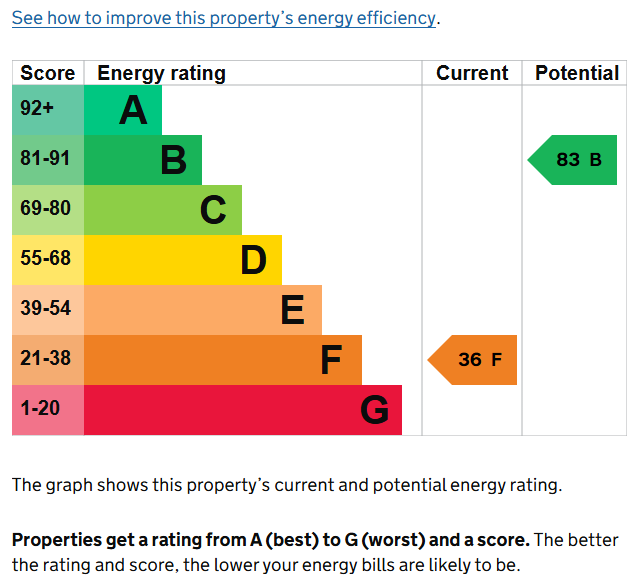
– the home has an Energy Performance Certificate (EPC) rating of D, E, F or G
– your household income is usually £36,000 a year or less, or you live in an eligible postcode area, or someone in the home gets certain benefits
The grant can pay for wall, loft and underfloor insulation, air source heat pumps, solar panels and smart heating controls. Gas boilers are not on the list, so this is not a “free boiler” scheme.
In Birmingham, the City Council runs its Local Grant in six priority areas, and Balsall Heath is one of them. For now, the grant is only available in those areas. Applications go through the Shared Works platform, which is linked from the Warm Homes Local Grant pages on the council’s website. For help, the council lists MECC Trust on Court Road as the community group supporting Balsall Heath and Sparkbrook residents, and it runs Energy Cafés. Meeting the basic rules does not mean work will go ahead. The council’s contractor surveys the home first, and what is offered depends on the property.
Not sure of your EPC rating?
You can look up your home’s EPC for free on the GOV.UK “find an energy certificate” service by entering your postcode. Many older terraced and Victorian homes, like a lot of the housing around Balsall Heath, are rated D or below, but check yours before assuming either way.
What about ECO4?
You may also hear about ECO4, a separate scheme funded by the larger energy suppliers. It helps households on certain benefits (such as Universal Credit, Pension Credit, Child Benefit or Housing Benefit) with insulation and heating upgrades, and councils can refer some households who are not on benefits. ECO4 is due to end on 31 December 2026. If you think it may apply to you, ask your council or energy supplier now whether they are still accepting referrals. You may be eligible, subject to eligibility and survey.
Three simple checks before you sign anything
1. Start with official sources. Begin any application through GOV.UK or the council’s own website. Ignore cold calls, door knocks and social media adverts offering to do it for you.
2. Check who is doing the work. Funded work should be done by properly registered installers. If someone contacts you claiming to be from a scheme, check with the council before you agree to anything or share personal details.
3. Never pay upfront to “secure a place”. Genuine schemes do not charge a fee to apply. If anything feels rushed or too good to be true, step back and ask for advice.
Where to get free, independent advice
– Birmingham City Council can tell you which schemes it is currently taking part in and how to apply.
– Citizens Advice offers free, confidential advice on energy bills, grants and dealing with suppliers.
– GOV.UK explains Warm Homes: Local Grant in general, but in Balsall Heath the application itself goes through the council’s own Warm Homes Local Grant pages.
If you help an older neighbour or relative with paperwork, this is a good time of year to sit down together and check their EPC and whether any of these schemes might fit. A warmer home can make a real difference to health and comfort through the winter months.
Free Boiler Upgrade is an independent UK information service that explains home heating and insulation schemes in plain English. It is not a government body, council or energy supplier. Read more at Free Boiler Upgrade (https://freeboilerupgrade.uk/warm-homes-plan).