Footsteps to our Future. Conference 2026
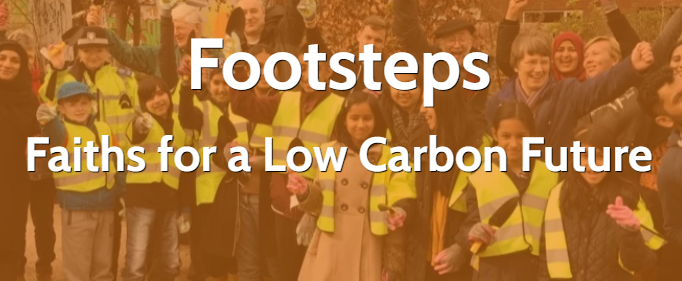
The annual footsteps interfaith group conference brought together faith leaders, civic organizations, council officers, and local residents under one roof. With wild fires and flooding in Birmingham this year, climate change feels real and we were all asking, what can faith communities do?
After seven years as a community interfaith connector it’s clear that tackling climate change isn’t just about technical solutions—it’s about community, trust, and shared values.
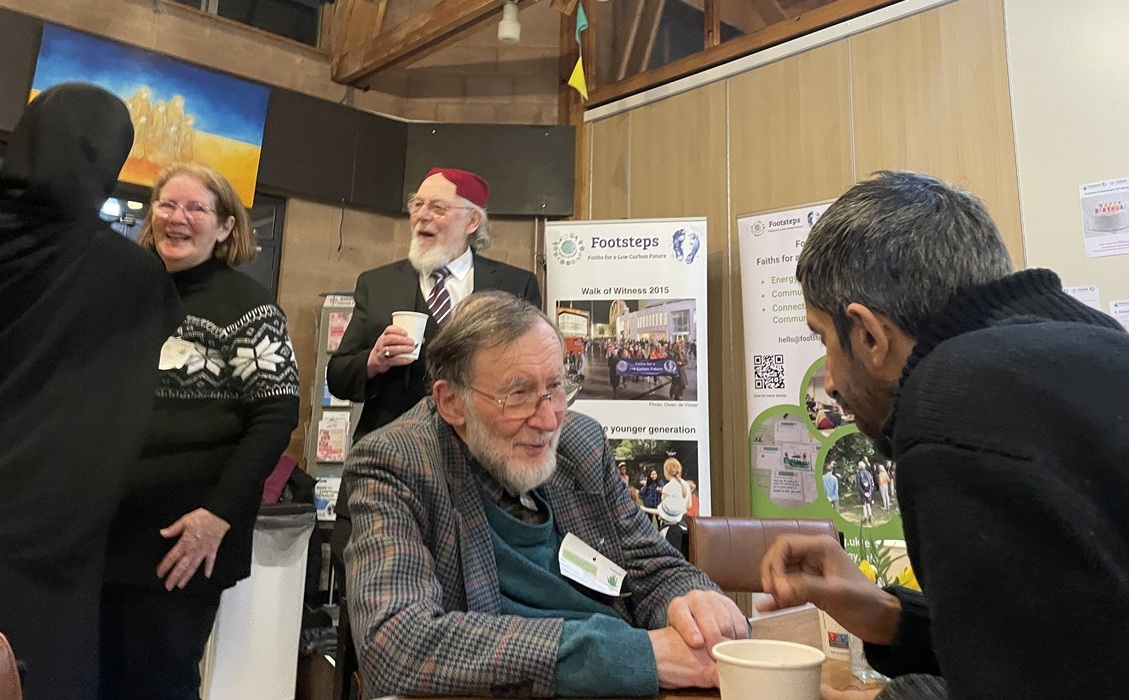
Tayloring our Needs at Conference
Footsteps worked with six Birmingham City University architecture students to design 6 centres of climate adoption centres at places of worship, they were Niskham Centre, Bull Street Quakers, Clifton Road Mosque, Cotteridge Church, St.Christophers Church and The Bahu Trust. The findings where really interesting depending on where the places where, such as Nishkam centre having most risk, poor levels of green space and high air pollution and Cotteridge church having a low risk overall and a low flood risk and medium for lack of open green spaces. This shows how even in Birmingham, dependent upon where you are the risks are unique to you. It shows how important it is to have tailored support adoption measures as we will see as well as looking at more city wide measures too and a wider regional framework.
Connecting with Retrofit
For me its about Trust and hearts and mind, its the people of faith and no faith coming together with shared values and care for people and planet, as well as seeking support and advice from experts such as Retrofit Balsall Heath and Mecca Trust, trusted in community and were able to help get people signed up to retrofit their homes. More than that, climate adoption from a faith community is about having every day feel with their every day needs such as job support and sign posting people to opportunities where they can get involved in their communities.
It’s the faith, shared values and community spirit, a resilient attitude. Balsall Heath is an excellent example of climate adaptation at neighbourhood level. What it has shown is that faith can play a role in bringing people together, and things get done when people take ownership of their communities.
What can be done?
At Niskham Centre, improving nature around the site would help with adapting with climate like roof to garden, planting and making use of outdoor spaces. This shows that openness from faith leaders and backing from the community who can see the benefits if can be done, co-creating the garden with the community and involving them at every stage is the best way for faith communities to take ownership. People do not want things done to them. I have learnt from my experiences and from listening to others at conferences, people have skills that they can share and bring to support the work and cross interfaith learning was also mentioned a lot.
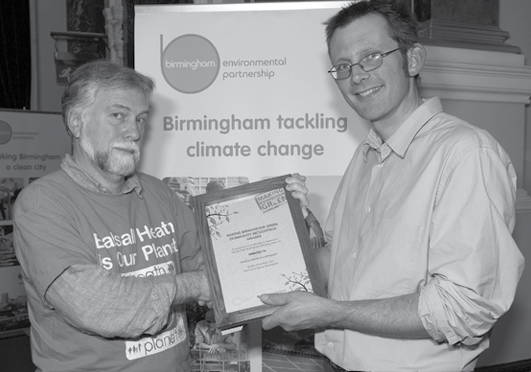
Making Birmingham Green’ Community Recognition Award HEATHAN April 2011
“An award jointly devised by Birmingham City Council and the Birmingham Environmental Partnership and given out as part of the city’s efforts to honour Climate Week in March, was presented to Balsall Heath Is Our Planet recently…Cllr Paul Tilsley, Deputy Leader of Birmingham City Council, said: “Everyone can play a part in the City’s aim to reduce carbon emissions by 60 per cent by 2026, when compared to 1990 levels.'”
The Faith Climate Adaption Toolkit
Different tables at the conference recognised the invaluable work faith communities already do in their communities, but felt more can be done to work together and a good starting point was the faith climate adoption toolkit which footsteps are creating. Every faith community can use this to help adopt and plan their individual action. There was also a call for better support for funding as not all faith communities had the financial resources. My experience over the years is that listening as well as understanding the communities is critical and using tools like whatsapp or youtube can help meet diverse cultural needs. During the pandemic, messaging was critical but most important was trust.
The people who were trusted in their respective communities were the best at supporting their communities but they too needed support such as training and mentoring as well as having teams behind them to carry out the work. As temperatures rise, what is the new normal? What have we learnt from the heat waves? If we do nothing it will not go away. If we try and do our best to adapt, we can at least say we tried.
Keep cool and act
As global temperatures to rise, we have to ask ourselves: What can we do? By leaning into shared values, building hyper-local partnerships, and equipping our faith centres as beacons of climate resilience, we can adapt together. We must work together for a cooler city and a more connected, compassionate community for everyone.
To learn more about local interfaith climate initiatives or to get involved, visit Footsteps: Faiths for a Low Carbon Future.